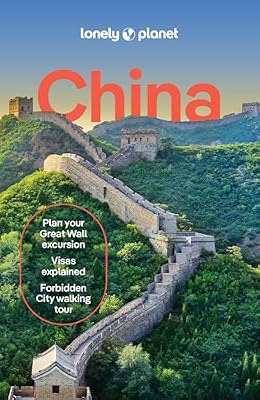
Traveling to China is an exhilarating journey through thousands of years of imperial history and cutting-edge 21st-century hyper-modernity. However, navigating daily life in China differs substantially from Western destinations due to a unique digital ecosystem, near-total cashless adoption, and specialized internet infrastructure. Mastering these essential preparation steps before your flight will ensure a smooth, seamless travel experience.
I. Technology & Digital Preparation (The Essential Setup)
This is the single most critical differentiator between traveling in China and anywhere else in the world. You must complete these setups before arriving in China:
| Digital Tool | Why It Is Crucial | What You Need to Do Before Departing |
|---|---|---|
| Mobile Payment (WeChat Pay & Alipay) | China is virtually a cashless society. Street stalls, taxis, restaurants, and museums expect QR-code payment. Cash is rarely carried by locals. | Download both Alipay (支付宝) and WeChat (微信). Link your international credit card (Visa/Mastercard) to their digital wallet features. Alipay offers a dedicated "Tour Pass" / international card binding interface. |
| VPN & Internet Connectivity | The "Great Firewall" blocks Western platforms: Google services (Maps, Gmail, Search), Instagram, WhatsApp, X, YouTube, and many news outlets. | Install 1-2 reliable paid VPN apps on your phone and laptop before leaving. App stores and VPN provider websites are blocked once you are inside mainland China. |
| Navigation & Maps | Google Maps is inaccurate, outdated, or blocked in China. | Download Amap (高德地图 - Gaode) or Baidu Maps (百度地图). While interface language is primarily Chinese, search works with Pinyin or English landmarks, and subway/bus routes are real-time. |
| Translation Apps | English signage is present in major subways and airports, but rare in local restaurants or smaller cities. | Download Baidu Translate and Google Translate. Crucially, download the offline Chinese language pack so camera-based photo translation works without internet. |
| International eSIM / Data Roaming | Free airport Wi-Fi often requires receiving an SMS code on a Chinese phone number. | Purchase an international travel eSIM (e.g., Airalo, Nomad, Holafly) or international roaming from your home carrier. Bonus: Cellular roaming data routed through foreign carriers typically bypasses the Great Firewall automatically! |
II. Visa-Free Policies & The 240-Hour Transit Window
China has dramatically expanded access for international travelers:
- Unilateral 15-Day / 30-Day Visa-Free Entry: Citizens of a growing list of European, Asian, and Oceania nations (including France, Germany, Italy, Spain, Switzerland, Australia, New Zealand, Malaysia, Singapore) can enter China visa-free for tourism or business.
- 240-Hour (10-Day) & 144-Hour Visa-Free Transit: Travelers from over 54 countries transiting through major hubs (Beijing, Shanghai, Guangzhou, Chengdu, Xi'an, Hangzhou) on route to a third country or territory (e.g., US → Shanghai → Japan) can enter without a tourist visa for up to 10 full days.
- Interactive Check: Always verify the latest requirements for your specific passport using our China Visa Policy Interactive Map.
III. Money, Currency & Credit Cards
| Financial Topic | Essential Advice & Reality on the Ground |
|---|---|
| Physical Cash (RMB / Yuan) | By law, Chinese businesses must accept RMB cash, but many smaller vendors literally have zero change. Carry a small reserve of ¥200-¥500 in small bills (¥10, ¥20, ¥50) for emergencies. |
| ATM Cash Withdrawals | Major state-owned banks (Bank of China, ICBC, China Construction Bank) feature international ATMs accepting Visa, Mastercard, and Cirrus/Plus cards. |
| Card Fraud Alerts | Notify your bank in advance that you will be traveling to China to prevent automatic security freezes on your linked debit and credit cards. |
IV. Transportation Across China
1. High-Speed Rail (高铁 Gāotiě)
China operates the world's most extensive high-speed rail network (over 45,000 km). Trains cruise smoothly at 300-350 km/h, linking city centers faster and with far fewer delays than domestic flights:
- Booking: Book tickets online via Trip.com (Ctrip) or the official 12306 platform. Tickets are completely electronic and bound to your passport number.
- Station Procedures: Arrive at the railway station at least 45-60 minutes before departure. Stations resemble modern international airports. Foreign passport holders must use the manual staff gate to have their passport scanned for platform access.
2. Ride-Hailing (DiDi 滴滴)
Street hailing taxis can be challenging during rush hours. Use the DiDi mini-program inside Alipay or WeChat (which includes a full English interface). Destination addresses can be typed in English or pasted, and payments deduct automatically from your linked credit card.
V. Cultural Etiquette & Dining Customs
- Tipping is Taboo: Tipping is not customary in mainland China and can even be seen as patronizing or offensive. The price listed on the menu is the final total.
- Sharing Family-Style: Chinese meals are communal. Dishes are placed in the center of the table (often on a Lazy Susan turntable) for everyone to share.
- Hot Water Culture: Restaurants serve warm tea or boiled hot water by default. If you prefer chilled water, politely ask for bīngshuǐ (冰水 - ice water).
- Personal Space in Crowds: In subway stations and famous landmarks, concepts of personal space differ from Western norms. Gentle nudging in bustling queues is considered normal everyday flow rather than deliberate rudeness.
VI. Electrical Standards & Voltage
- Voltage & Frequency: China uses 220V at 50Hz. Modern phone and laptop chargers are dual-voltage (100V-240V) and work directly.
- Plug Sockets: Wall outlets typically accept Type A (two flat parallel blades) and Type I (three angled flat blades). Most modern hotels feature universal combination sockets.
- Strict Power Bank Regulations: Aviation authorities strictly enforce power bank rules on all Chinese domestic flights. Power banks must be in carry-on baggage only (never checked), cannot exceed 100Wh (approx. 27,000 mAh), and must have clearly legible manufacturer capacity markings. Unmarked or damaged power banks will be confiscated at airport security.
VII. Health, Safety & Daily Practicalities
- Tap Water: Do not drink unboiled tap water. All hotel rooms provide an electric kettle or complimentary bottled mineral water.
- Restrooms & Tissues: While 4- and 5-star hotels and upscale malls feature Western-style toilets, public attractions and train stations frequently feature traditional squat toilets. Always carry a small travel pack of tissue paper and hand sanitizer, as public restrooms do not always supply toilet paper.
- Personal Safety: Violent street crime is exceptionally low in China. Walking through major city centers late at night is generally very safe. Stay aware of basic tourist-targeted tea house scams around pedestrian shopping streets.